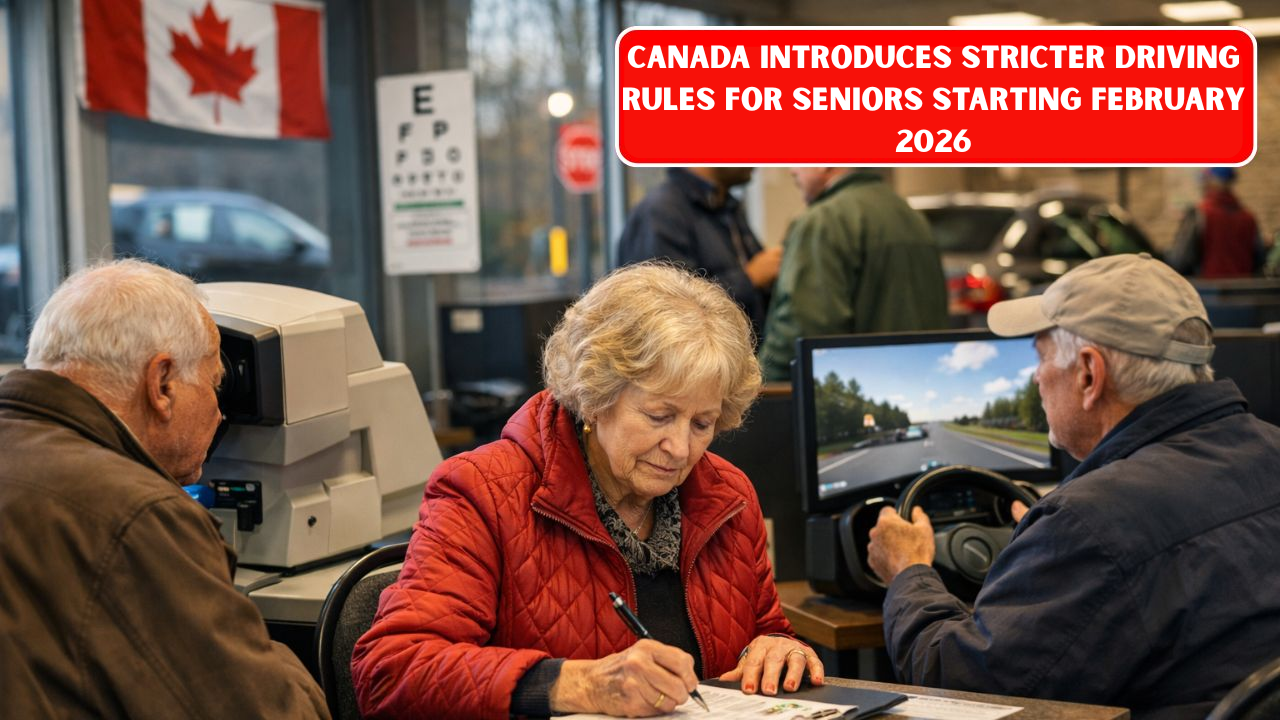
Canadian transportation authorities are rolling out tougher driving standards for older adults next month, aiming to boost road safety nationwide. These measures target drivers aged 70 and above, introducing regular health checks to ensure everyone stays sharp behind the wheel. With Canada’s aging population growing fast, officials see this as a proactive step to cut accidents linked to age-related issues like slower reflexes or vision decline.
Focus on Health and Vision Screenings
Starting February 1, 2026, seniors turning 70 must pass mandatory cognitive and vision tests every two years during license renewals. Previously, such checks kicked in later, often around age 80 in some provinces, but now they’ll apply earlier and more consistently. Doctors will also face requirements to report patients with conditions like dementia or epilepsy that could impair driving, shifting from optional alerts to firm obligations.
This nationwide push comes after years of data showing seniors over 75 involved in more intersection crashes. Provinces like Ontario and British Columbia lead the changes, with others following suit through federal guidelines. Families should help loved ones schedule appointments soon to avoid renewal delays.
Provincial Variations in Implementation
While the rules span Canada, each province handles details differently. Quebec emphasizes in-person road tests for those over 75, while Alberta adds knowledge quizzes on updated traffic laws. Fees might rise slightly for assessments, though exemptions exist for rural drivers with clean records. Conditional licenses could let some continue driving with limits, like daylight-only hours or no highways.
Key Requirements by Age Group
| Age Group | Screening Frequency | Main Tests Required | Renewal Cycle |
|---|---|---|---|
| 70-74 | Every 2 years | Vision, basic cognitive check | 2-5 years |
| 75-79 | Every 1-2 years | Vision, cognitive, possible road test | 1-2 years |
| 80+ | Annually | Full medical exam, on-road assessment | 1 year |
Preparing for the Changes
Seniors can start by visiting optometrists for baseline eye exams and discussing medications with physicians that might affect alertness. Free provincial clinics will offer practice cognitive tests online or in-person starting this month. Caregivers play a big role, noting subtle signs like hesitation at stops or forgetting routes during drives.
Transportation Canada stresses fairness, with appeal processes for those who fail unfairly. Mobility aids like subsidized taxis or community shuttles expand for those who surrender licenses voluntarily.
Balancing Safety and Independence
Critics worry these rules might isolate seniors in car-dependent areas, but supporters point to lower crash rates in pilot programs. Early data from 2025 trials showed 15% of screened drivers opting for restrictions voluntarily, preserving access while protecting others. Winter tire mandates extend too, requiring them until April for all ages in snowy regions.
Experts recommend practicing defensive driving courses tailored for seniors, available through auto associations. Staying active with exercises for hand-eye coordination helps maintain skills long-term.
Support Programs and Next Steps
Government funding boosts ride-share discounts and senior bus passes, easing the shift for non-drivers. Renewal notices will arrive by mail next week, urging prompt action. Those with perfect records over 50 years might qualify for streamlined renewals.
Why These Rules Matter Now
As February approaches, thousands prepare to comply, ensuring roads stay safe for families and commuters alike. These updates reflect Canada’s commitment to thoughtful aging policies.
FAQs
When do the new rules start?
February 1, 2026, for most renewals.
Who needs vision tests?
All drivers 70 and older, every two years.
What if I fail a screening?
Options include restrictions or appeals.
Disclaimer
The content is intended for informational purposes only. Check official sources; our aim is to provide accurate information to all users.