Starting February 1, 2026, a nationwide framework tightens driver’s license renewals for Americans over 70, aiming to balance road safety with personal independence. These changes stem from growing concerns about aging drivers, as more seniors remain behind the wheel into their 80s and 90s. States must now implement stricter vision checks, reaction tests, and in-person visits, though specifics vary by location.
Why These Changes Are Happening Now
Rising accident rates involving older drivers prompted federal guidelines, with over 48 million licensed Americans aged 65-plus expected to drive longer. Lawmakers focused on data showing slower reactions and vision decline after 70, without banning driving outright. The rules encourage early detection of issues, letting capable seniors renew easily while flagging real risks.
Age-Based Renewal Requirements
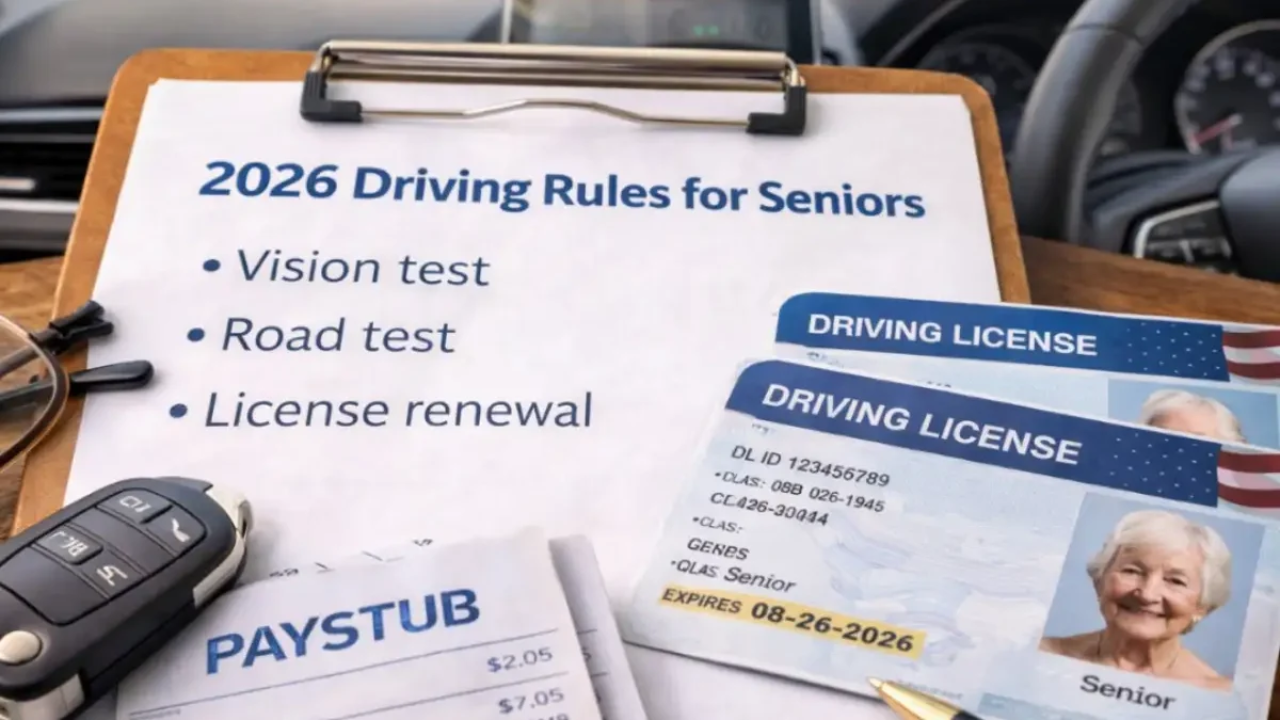
Drivers aged 70-79 face vision and basic reaction tests at renewal time. Those 80-86 renew in person every two to four years, skipping mail-in options in many states. Anyone 87 and older needs annual road tests plus medical clearance to prove fitness.
State Variations in Implementation
| Age Group | Requirement | Example States Implementing |
|---|---|---|
| 70-79 | Vision/reaction tests | California (in-person mandatory), Florida |
| 80-86 | In-person renewal every 2-4 years | Texas (over 85 annual check-ins), New York |
| 87+ | Annual road test + doctor note | Nationwide framework, varies locally |
Vision exams check 20/40 acuity, standard for safe driving, using simple eye charts at DMVs. Reaction tests measure brake response and hazard recognition via computer simulations, taking under 10 minutes. Road tests for the oldest drivers mimic real scenarios like merging or U-turns, judged by certified examiners.
Family and Doctor Reporting Options
Caregivers or physicians can report unsafe drivers confidentially to the DMV, triggering re-evaluations without automatic revocation. Officials urge using this only for genuine concerns, like observed confusion or near-misses, to avoid misuse. Seniors get appeal rights, including retests or restricted licenses for local trips only.
Costs and Preparation Steps
Expect fees of $25-50 per test, plus potential costs for glasses or courses. Start by scheduling eye doctor visits now, practicing with online reaction games, and gathering medical records. Veterans and low-income seniors qualify for free DMV rides or waivers through state programs.
Benefits Beyond Safety
These measures protect everyone by reducing crashes, while promoting alternatives like ride-sharing or community shuttles. Seniors report feeling more confident knowing skills stay sharp. Early preparation keeps independence intact, avoiding last-minute scrambles at busy DMVs.
Maintaining Mobility Long-Term
Many states offer refresher courses counting toward renewals, blending classroom tips with driving practice. Tech aids like backup cameras help meet standards. Families should discuss options openly, ensuring loved ones stay connected without undue worry.
FAQs
Q1: Do all states start February 1?
Most adopt the framework then, but rollout varies slightly by state.
Q2: Can age alone revoke my license?
No, only failed tests or medical issues trigger restrictions.
Q3: What if I fail a test?
Retest after fixes like new glasses; appeals available.
Disclaimer
The content is intended for informational purposes only. You can check the official sources; our aim is to provide accurate information to all users.